 Business License

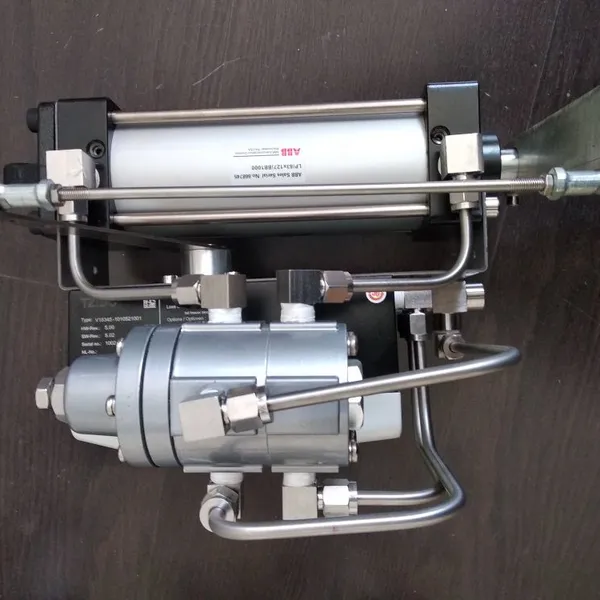
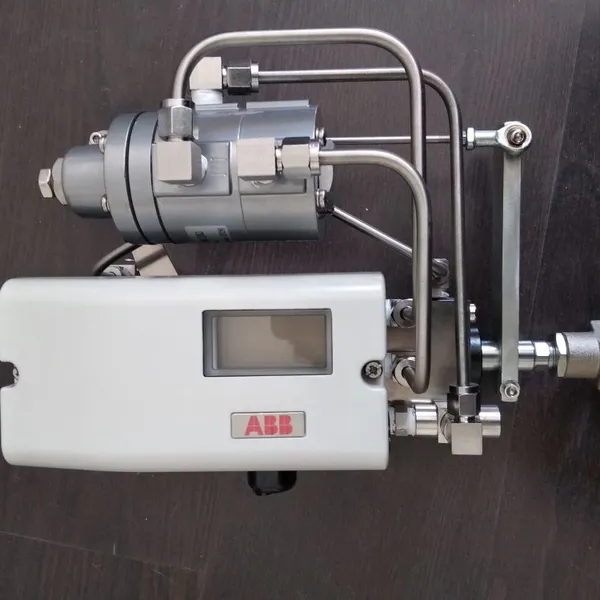
ABB V18345-2020521001 Positioner with LP10BB10010 Pneumatic Actuator: Applications, Common Problems,
ABB V18345-2020521001 Positioner with LP10BB10010 Pneumatic Actuator: Common Applications and Troubleshooting Solutions
 Introduction
Industrial automation systems depend heavily on accurate valve control to maintain process stability, production efficiency, and operational safety. In industries such as oil and gas, chemical processing, power generation, water treatment, and manufacturing, control valves are essential components used to regulate pressure, temperature, flow, and liquid levels.
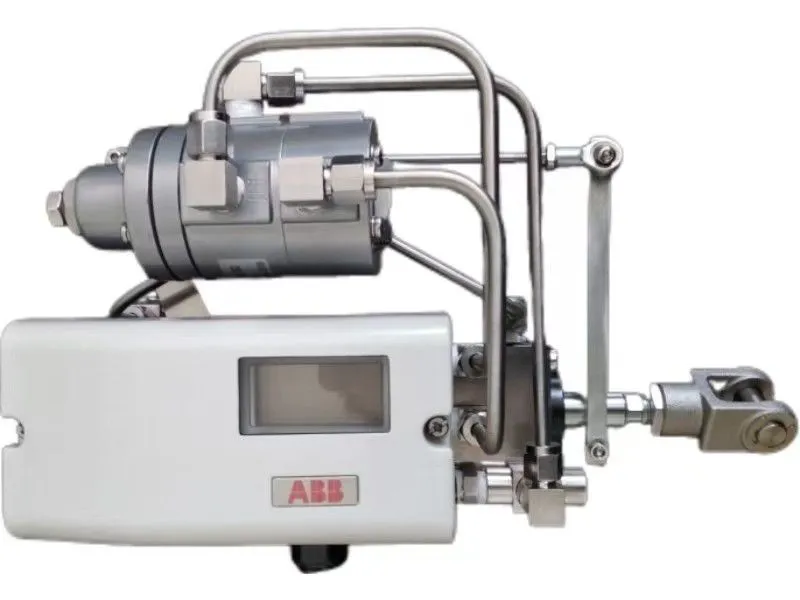
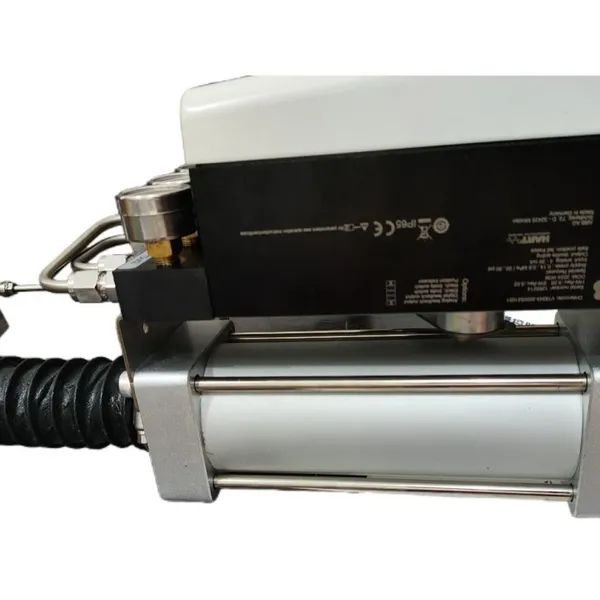
The combination of the ABB V18345-2020521001 Positioner and the LP10BB10010 Pneumatic Actuator provides a highly reliable valve automation solution for demanding industrial environments. This integrated assembly improves valve positioning accuracy, enhances process stability, and reduces maintenance requirements in automated control systems.
This article explores the most common application scenarios for the ABB V18345-2020521001 positioner and LP10BB10010 pneumatic actuator package, along with common operational problems, troubleshooting methods, maintenance recommendations, and optimization strategies.
Overview of ABB V18345-2020521001 Positioner and LP10BB10010 Pneumatic Actuator
The ABB V18345-2020521001 is an intelligent valve positioner designed to control pneumatic actuators with high precision. When combined with the LP10BB10010 pneumatic actuator, the system delivers stable and accurate valve movement for industrial process control applications.
The complete assembly is commonly used in:
Flow control systems
Pressure regulation systems
Temperature control applications
Chemical processing plants
Steam control systems
Oil and gas production facilities
Water treatment automation
Power plant operations
The integrated solution helps improve control valve responsiveness, positioning accuracy, and operational reliability.
Main Functions of the System
Accurate Valve Positioning
The positioner precisely controls actuator movement according to control system signals.
Automated Process Regulation
Supports continuous process automation and stable industrial operation.
Improved Control Accuracy
Enhances valve response speed and positioning precision.
Reduced Manual Intervention
Automation reduces operator workload and improves efficiency.
Increased System Reliability
Reliable valve control minimizes process instability and downtime.
Common Industrial Application Scenarios
1. Oil and Gas Industry
In oil refineries and pipeline systems, precise valve control is critical for maintaining pressure balance and safe fluid transport.
The ABB positioner and pneumatic actuator combination is commonly used for:
Crude oil flow regulation
Gas pressure control
Refinery process automation
Emergency shutdown systems
Pipeline valve automation
The system helps maintain operational safety and stable production conditions.
2. Power Generation Plants
Thermal power plants require highly accurate steam and water flow control.
Common applications include:
Boiler feedwater control
Steam turbine regulation
Condensate systems
Cooling water management
Combustion air control
The intelligent positioner improves valve response speed and process stability during varying load conditions.
3. Chemical Processing Industry
Chemical plants rely on precise control of process variables to maintain product quality and operational safety.
Applications include:
Chemical dosing systems
Reactor pressure control
Corrosive fluid regulation
Temperature control loops
Automated process pipelines
Stable valve positioning improves process consistency and reduces operational risk.
4. Water and Wastewater Treatment
Water treatment facilities require automated valve systems for continuous process control.
Typical uses include:
Pump control systems
Filtration process management
Chemical injection systems
Water pressure regulation
Sludge handling systems
The actuator-positioner package helps improve operational efficiency and reduce manual maintenance.
5. Pulp and Paper Industry
Pulp mills and paper manufacturing facilities require stable valve control under harsh environmental conditions.
Applications include:
Steam flow regulation
Pulp slurry control
Chemical processing systems
Boiler automation
Water circulation systems
Reliable valve automation supports continuous production and reduces downtime.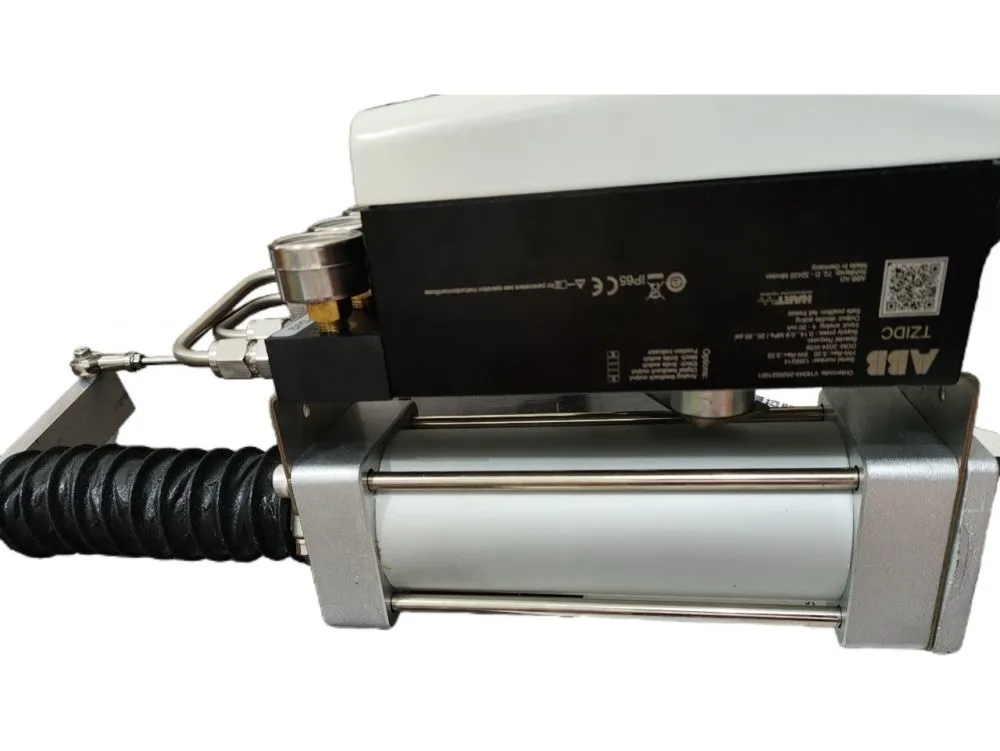
Advantages of ABB Positioner and Pneumatic Actuator Combination
High Positioning Accuracy
The intelligent positioner ensures precise valve movement according to control signals.
Stable Pneumatic Performance
The LP10BB10010 actuator provides smooth and reliable valve operation.
Fast Response Speed
Quick actuator response improves process control efficiency.
Reduced Air Consumption
Optimized pneumatic design improves operational efficiency.
Industrial Durability
Designed for harsh environments involving heat, dust, vibration, and humidity.
Common Problems and Troubleshooting Solutions
One of the most searched topics related to industrial valve automation is troubleshooting positioner and actuator problems. Below are the most common operational issues encountered in industrial applications.
1. Valve Does Not Respond to Control Signal
Symptoms
Valve remains stationary
No actuator movement
Process control instability
Possible Causes
Insufficient Air Supply
Low pneumatic pressure may prevent actuator operation.
Electrical Signal Failure
Control signal interruptions can affect positioner performance.
Blocked Air Lines
Contaminated pneumatic tubing may restrict airflow.
Internal Mechanical Sticking
Valve stem or actuator components may become stuck.
Solutions
Verify Air Supply Pressure
Ensure pneumatic pressure meets operating requirements.
Inspect Electrical Connections
Check signal wiring and control system outputs.
Clean Pneumatic Tubing
Remove moisture, oil, or debris from air lines.
Inspect Mechanical Components
Lubricate or repair valve stem and actuator assemblies.
2. Valve Position Instability
Symptoms
Valve oscillation
Unstable flow control
Fluctuating process values
Possible Causes
Incorrect Positioner Calibration
Improper tuning affects positioning accuracy.
Air Pressure Fluctuation
Unstable air supply causes actuator instability.
Excessive Valve Friction
Mechanical wear increases resistance.
Signal Noise
Electrical interference affects control signals.
Solutions
Recalibrate the Positioner
Perform proper setup and tuning procedures.
Stabilize Air Supply
Use clean and regulated pneumatic air.
Inspect Valve Components
Replace worn seals or damaged valve parts.
Improve Signal Shielding
Use shielded cables and proper grounding.
3. Slow Valve Response
Symptoms
Delayed valve movement
Sluggish process control
Reduced automation performance
Possible Causes
Air Leakage
Leaks reduce actuator efficiency.
Dirty Pneumatic Components
Contamination affects airflow.
Aging Actuator Seals
Worn seals reduce pneumatic force.
Solutions
Check for Air Leaks
Inspect fittings, tubing, and seals.
Clean Pneumatic Components
Maintain clean compressed air systems.
Replace Worn Seals
Restore actuator performance with proper maintenance.
4. Excessive Air Consumption
Symptoms
Increased compressor workload
Pneumatic efficiency reduction
Continuous air leakage sound
Possible Causes
Damaged Diaphragm
Actuator diaphragm leakage increases air loss.
Loose Pneumatic Connections
Poor fittings allow continuous leakage.
Internal Positioner Leakage
Worn internal components reduce efficiency.
Solutions
Inspect Diaphragm Condition
Replace damaged actuator diaphragms.
Tighten Pneumatic Fittings
Ensure all air connections are secure.
Perform Positioner Maintenance
Repair or replace internal leaking components.
5. Communication Problems with Control System
Symptoms
Position feedback errors
Delayed response signals
Communication alarms
Possible Causes
Wiring Problems
Loose or damaged cables interrupt communication.
Electromagnetic Interference
Nearby motors and power equipment affect signals.
Incorrect Configuration
Improper setup parameters may cause communication issues.
Solutions
Inspect Wiring
Check cable integrity and terminal connections.
Improve Grounding
Proper grounding reduces electrical interference.
Verify Configuration Parameters
Ensure control settings match system requirements.
Preventive Maintenance Recommendations
Regular maintenance significantly improves valve automation reliability.
Inspect Air Supply Quality
Use dry and clean compressed air.
Perform Routine Calibration
Regular calibration maintains positioning accuracy.
Check Valve Travel
Verify smooth actuator movement.
Monitor Pneumatic Leaks
Early leak detection improves efficiency.
Maintain Clean Electrical Connections
Prevent corrosion and signal instability.
Benefits of Reliable Valve Automation
Facilities using intelligent valve automation systems benefit from:
Improved process stability
Higher production efficiency
Reduced maintenance costs
Lower downtime risk
Better energy efficiency
Enhanced operational safety
More accurate process control
Reliable valve automation is essential for modern industrial production systems.
Future Trends in Intelligent Valve Control
Industrial automation continues evolving toward smarter and more connected systems.
Future trends include:
Predictive maintenance
Smart diagnostics
Remote valve monitoring
Digital communication protocols
Industry 4.0 integration
AI-assisted process optimization
Advanced intelligent positioners will continue playing a critical role in industrial automation systems.
Conclusion
The ABB V18345-2020521001 positioner combined with the LP10BB10010 pneumatic actuator provides a reliable and efficient solution for industrial valve automation applications.
Its accurate positioning capability, stable pneumatic performance, and durable industrial design make it suitable for industries including oil and gas, power generation, chemical processing, water treatment, and manufacturing.
Most operational issues can be resolved through proper maintenance, stable air supply, regular calibration, and systematic troubleshooting procedures.
For facilities seeking improved process control, reduced downtime, and higher automation efficiency, this integrated ABB valve automation solution remains a dependable choice for demanding industrial environments.
Recently Posted
-
Valmet Spare Part Sets H132200 H026194 H098546 H108587 H136942 H120684 & Seat Rings 743880 743900
July 6, 2026Valmet Spare Part Sets H132200, H026194, H098546, H108587, H136942, H120684 and Seat Rings 743880, 743900: A Complete Guide to Rel Read More
 -
ABB Flame Scanner Portfolio: A Technical Deep Dive into the SF810, FAU810, and UR600 Series for Mult
June 26, 2026Introduction: The Critical Role of Flame Detection in Industrial SafetyIn the high-stakes environment of industrial combustion—whe Read More
 -
How to Replace the Pneumatic Relay Assembly in Valmet Neles ND9000 Positioners
May 22, 2026How to Replace the Pneumatic Relay Assembly in Valmet Neles ND9000 PositionersIn critical flow control operations across the chemi
Read More -
The STONEL QX Series: Explosionproof Limit Switch for the Most Hazardous Process Environments
April 29, 2026The STONEL QX Series: The Ultimate Explosionproof Limit Switch for Div. 1/Zone 1 Hazardous AreasIntroduction: The Critical Role of Read More

Contact Us
Recommended Products
-
 Metso Pneumatic Actuator VPVL100SR6BDNegotiableMOQ: 1 Piece
 -
Metso Locator ND9206HE1T-K2-A3-DS04NegotiableMOQ: 1 Piece
-
Baumer Encoder HOG10 DN1024 I LR 16H7 KLK-AXNegotiableMOQ: 1 Unit
-
ABB Flame Detectors QDDMEE20GP and SF810-UV-3000NegotiableMOQ: 1 Unit
-
STONEL Position SwitchQX2VCR02HRA, QN4XD05HRA, EN33A05DMNegotiableMOQ: 1 Unit
-
STONEL Position SwitchQX35CR05SRA,QX35K05SDM ,QN45CK02HDMNegotiableMOQ: 1 Unit
-
ABB Pneumatic Actuator LP10BB10010+locator V18345-2020521001 Complete SetUS$ 3500MOQ: 1 Set
-
ABB Excitation Filter Screen 3BHL001141P0002US$ 112MOQ: 1 Blade
-
Tiara DSC-18 Digital Signal ComparatorUS$ 450MOQ: 1 Unit
-
GE 362A1052P104 Flame DetectorNegotiableMOQ: 1 Unit

-
GE IC698CRE030 RX3i PACSystem CPUNegotiableMOQ: 1 Unit
-
ABB LP10BB10010 Pneumatic ActuatorNegotiableMOQ: 1 Unit
-
ABB LP32BB10 Pneumatic ActuatorNegotiableMOQ: 1 Unit
-
ABB WSFAN230 Cooling Fan (P/N: 68442966)US$ 1200 - 2000MOQ: 1 Unit
-
GE Multilin 869 Motor Protection Relay Model 869-E-P1-NN-G1-L-S-N-A-A-N-M-S-P-F-B-SE-N-N-B-4 - Complete Technical OverviewUS$ 11000 - 15000MOQ: 1 Unit


-
Fireye 95UVS4-1WINC: Next-Generation Digital UV Flame SafetyUS$ 4400 - 5500MOQ: 1 Unit
-
Fireye 95DSS3-1WINC Ultraviolet (UV) Flame ScannerUS$ 5300 - 6500MOQ: 1 Unit
-
STONE Position Switch QX35CR05SRAUS$ 600 - 1000MOQ: 1 Unit
-
ABB Bailey Power Supply PHARPS32200000: A Reliable 320W System Power Module for Critical Industrial ApplicationsUS$ 3000 - 5000MOQ: 1 Unit
-
ABB PHARPSCH100000 Redundant Power ChassisNegotiableMOQ: 1 Unit