 Business License

MOOG G771K & G772K Series Servo Valves: Complete Obsolete-to-Replacement Model Cross-Reference Guide
Introduction
MOOG is the global leader in precision electrohydraulic servo valve technology, delivering high dynamic response, low hysteresis, and reliable flow control for industrial automation, aerospace test systems, turbine control, and metal forming machinery. The G771K and G772K series, part of MOOG‘s renowned X77XK family of intrinsically safe two-stage flow control servo valves, have been widely adopted in gas combustion turbines, steel mill automatic gauge control (AGC), aerospace test rigs, plastic injection molding, and various high-precision closed-loop hydraulic systems.
As MOOG continuously improves its product portfolio, many legacy G771K and G772K models have been officially phased out and replaced by newer, enhanced versions with improved reliability, upgraded materials, and extended service life. For end users and system integrators, understanding which new model directly replaces an obsolete unit is critical—selecting the wrong valve can lead to mismatched spool characteristics, degraded control accuracy, damaged drive electronics, or even safety incidents.
This comprehensive guide provides a complete cross-reference for every known obsolete MOOG G771K and G772K series servo valve alongside its officially recommended replacement model.
G771K Series: Obsolete-to-Replacement Model Cross-Reference
The MOOG G771 series features two-stage flow control servo valves with rated flows typically from 4 to 57 L/min (1 to 15 GPM) at 70 bar pressure drop. G771 series valves use the Size 02 mounting pattern (ISO 10372-02-02-0-92), making them ideal for compact hydraulic integrated systems. The series employs a nozzle-flapper pilot stage with mechanical feedback, delivering high dynamics, high resolution, and low hysteresis.
Below is the complete cross-reference for G771K series obsolete models and their recommended replacements:
| Obsolete Model | Replacement Model |
|---|---|
| G771K200A | G771K289A |
| G771K201A | G771K287A |
| G771K202A | G771K293A |
| G771K203A | G771K291A |
| G771K208A | G771K294A |
| G771K226A | G771K288A |
| G771K227A | G771K292A |
| G771K240A | G771K289A |
| G771K241A | G771K287A |
| G771K242A | G771K293A |
| G771K244A | G771K294A |
| G771K247A | G771K235A |
| G771K260A | G771K290A |
| G771K297A | G771K355A |
| G771K298A | G771K354A |
| G771K299A | G771K356A |
| G771K624A | G771K305A |
| G771K625A | G771K301A |
| G771K626A | G771K304A |
Important Notes on G771K Replacements:
G771K200A and G771K240A both upgrade to G771K289A, meaning the replacement model covers two different rated flow ranges.
G771K201A and G771K241A both cross to G771K287A.
G771K202A and G771K242A are replaced by G771K293A.
G771K208A and G771K244A both cross to G771K294A.
G771K247A replaces to G771K235A, which represents a cross-generation upgrade.
The G771K624A, G771K625A, and G771K626A series now cross to G771K305A, G771K301A, and G771K304A respectively.
G772K Series: Obsolete-to-Replacement Model Cross-Reference
The MOOG G772 series features higher flow capacities and ruggedized construction for demanding mill, press, and large-flow hydraulic control applications. G772 series valves use the Size 03 mounting pattern (ISO 10372-03-03-0-92) with larger interface dimensions, suitable for high-flow hydraulic piping systems.
Below is the complete cross-reference for G772K series obsolete models and their recommended replacements:
| Obsolete Model | Replacement Model |
|---|---|
| G772K240A | G772K336A |
| G772K241A | G772K337A |
| G772K272A | G772K336A |
| G772K273A | G772K337A |
| G772K340A | G772K357A |
| G772K619A | G772K339A |
| G772K620A | G772K338A |
Important Notes on G772K Replacements:
G772K240A and G772K272A both upgrade to G772K336A.
G772K241A and G772K273A both cross to G772K337A.
G772K340A is replaced by G772K357A.
G772K619A and G772K620A now cross to G772K339A and G772K338A respectively.
What Makes the New Replacement Models Better?
The replacement models are not merely re-badged versions—they represent genuine technical upgrades with significant improvements:
Enhanced Internal Precision – Improved spool machining accuracy and tighter internal matching tolerances result in more consistent flow control and reduced null shift.
Upgraded Magnetic Materials – Advanced electromagnetic materials in the torque motor provide better linearity and reduced hysteresis.
Optimized Seal Design – Improved sealing structures extend service life and enhance resistance to contamination.
Better Contamination Tolerance – New models offer enhanced resistance to fluid-borne particulates, reducing the risk of spool sticking in harsh environments like steel mills and foundries.
Lower Null Shift – Improved design minimizes zero-point drift over time and under varying operating conditions.
Drop-in Compatibility – Replacement models maintain the same mounting interface, coil resistance, and overall dimensions, allowing direct substitution without modifying manifold or conduit connections.
Intrinsic Safety and Hazardous Area Approvals
Both G771K and G772K series valves are intrinsically safe protected industrial servovalves for hazardous areas. They carry multiple international certifications including ATEX (Ex ia IIB/IIC T4 Ga), IECEx, FM, CSA, and TIIS. The operating temperature range is -29°C to +135°C (-20°F to +275°F). When upgrading, verify that the replacement model maintains the required safety certifications for your application.
Key Installation and Upgrade Considerations
When upgrading from a legacy MOOG servo valve to a recommended replacement, engineers and maintenance professionals should verify the following critical parameters before direct substitution:
Flow Rating – Confirm that the replacement valve‘s rated flow matches the original system requirements
Electrical Input Signal – Verify command signal type (current or voltage) and range are compatible
Mechanical Interface – Ensure mounting pattern and port dimensions match (Size 02 for G771, Size 03 for G772)
Supply Pressure – Check that the system operating pressure is within the valve‘s rated range (210 bar or 350 bar options available)
Null Adjustment – After installation, re-calibrate the valve null point and perform dynamic testing
Fluid Cleanliness – Maintain hydraulic fluid filtration to ISO 4406 14/11/08 or better to prevent contamination-related failures
Why Upgrade Now?
Legacy MOOG servo valves, after years of operation, commonly experience issues including:
Zero drift and null shift
Response lag and reduced dynamics
Internal wear and spool degradation
Declining control accuracy
Increasing difficulty in sourcing spare parts
By upgrading to the recommended replacement models, users can achieve:
Restored precision – Return to original control accuracy specifications
Enhanced stability – Improved long-term performance consistency
Reduced downtime – Lower maintenance frequency and fewer unplanned stops
Extended system life – Longer equipment service life through better materials and design
Improved production efficiency – Optimized energy utilization and process stability
Common Applications
The MOOG G771K and G772K series servo valves are deployed across a wide range of mission-critical applications:
Power Generation – Gas and steam turbine fuel gas control, inlet guide vane control, stop ratio control
Steel & Metals – Automatic Gauge Control (AGC), automatic width control, edge guides, rolling mill tension control
Aerospace & Testing – Durability and structural test rigs, flight simulators, multi-axis simulation tables
Industrial Manufacturing – Plastic injection molding, tire and rubber manufacturing, hydraulic presses
Other Applications – Material testing machines, robotics hydraulic systems, marine hydraulic control systems, wind turbine pitch control
Supplier Information
For brand new original MOOG G771K and G772K series servo valves—including all replacement models listed in this guide—contact:
Wuhan Yuli Automation Technology Co., Ltd.
Conclusion
MOOG‘s G771K and G772K series servo valves are the heart of countless industrial hydraulic control systems worldwide. As legacy models are phased out, understanding the correct replacement path is essential for maintaining system performance, ensuring spare parts availability, and avoiding costly production interruptions.
This cross-reference guide covers all major obsolete G771K and G772K series models. All replacement models are technical upgrades that maintain interface compatibility while delivering improved reliability, precision, and service life. For engineers and maintenance professionals, planning the replacement strategy proactively—before legacy units become completely unavailable—is the key to ensuring production continuity and operational safety.
Recently Posted
-
ABB Bailey Terminal Boards and Power Supply Modules for Industrial Automation
September 8, 2026ABB Bailey control systems are widely used in industrial process control applications where reliable signal transmission, I/O conn Read More
 -
ABB MPS III Power Supply & Control System Components: Complete Product Guide for Symphony Plus Harmo
August 13, 2026IntroductionABB's Symphony Plus Harmony distributed control system (DCS) is one of the most widely deployed industrial automat Read More
 -
Valmet Spare Part Sets H132200 H026194 H098546 H108587 H136942 H120684 & Seat Rings 743880 743900
July 6, 2026Valmet Spare Part Sets H132200, H026194, H098546, H108587, H136942, H120684 and Seat Rings 743880, 743900: A Complete Guide to Rel Read More
 -
ABB Flame Scanner Portfolio: A Technical Deep Dive into the SF810, FAU810, and UR600 Series for Mult
June 26, 2026Introduction: The Critical Role of Flame Detection in Industrial SafetyIn the high-stakes environment of industrial combustion—whe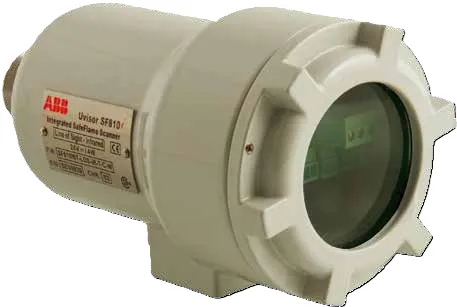 Read More

Contact Us
Recommended Products
-
 ABB PHARPS00010000 System Power Supply Module Symphony Harmony DCSNegotiableMOQ: 1 Ton
 -
ABB PMKHRMBRC3000A Redundancy Cable Assembly – Original Factory-Sealed BRC300/BRC400 DCS Redundancy Link CableNegotiableMOQ: 1 Ton
-
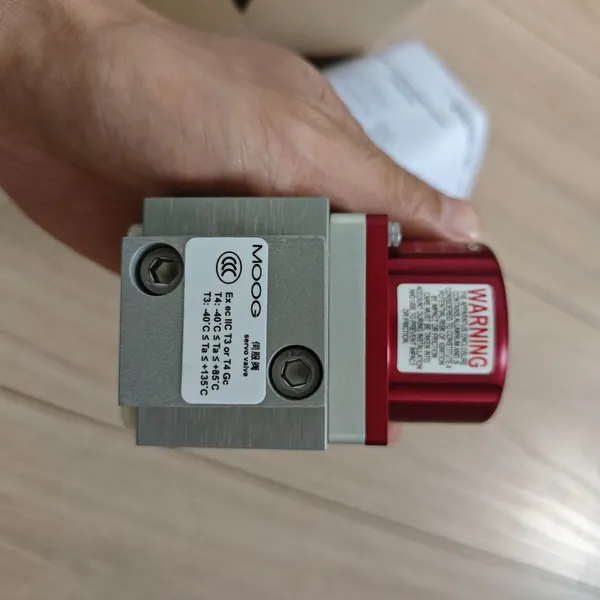
MOOG G771K / G772K Series Intrinsically Safe Two-Stage Electro-Hydraulic Servo Valves – Brand New OriginalNegotiableMOQ: 1 Ton
-
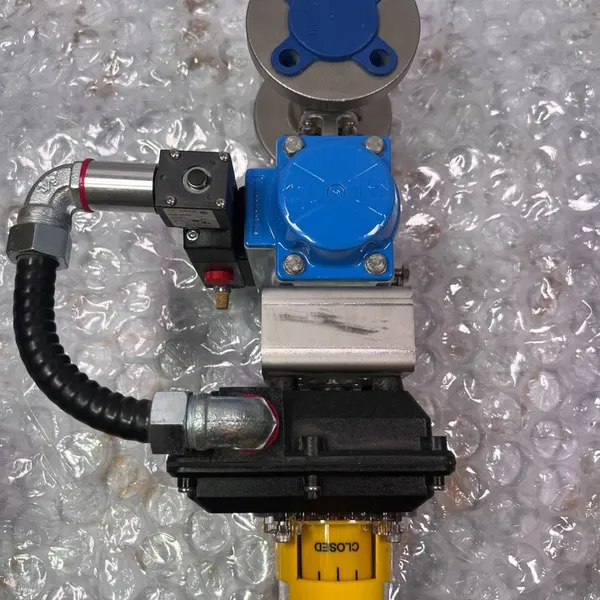
Metso Pneumatic Actuator VPVL100SR6BDNegotiableMOQ: 1 Piece
-
Metso Locator ND9206HE1T-K2-A3-DS04NegotiableMOQ: 1 Piece
-
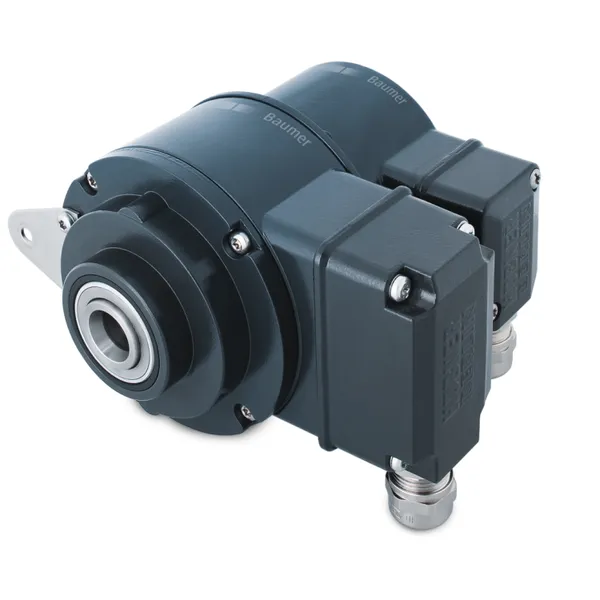
Baumer Encoder HOG10 DN1024 I LR 16H7 KLK-AXNegotiableMOQ: 1 Unit
-
ABB Flame Detectors QDDMEE20GP and SF810-UV-3000NegotiableMOQ: 1 Unit
-
STONEL Position SwitchQX2VCR02HRA, QN4XD05HRA, EN33A05DMNegotiableMOQ: 1 Unit
-
STONEL Position SwitchQX35CR05SRA,QX35K05SDM ,QN45CK02HDMNegotiableMOQ: 1 Unit
-
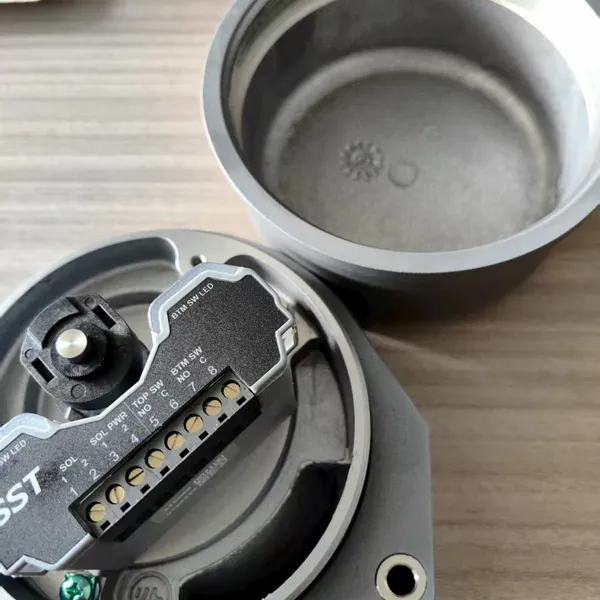
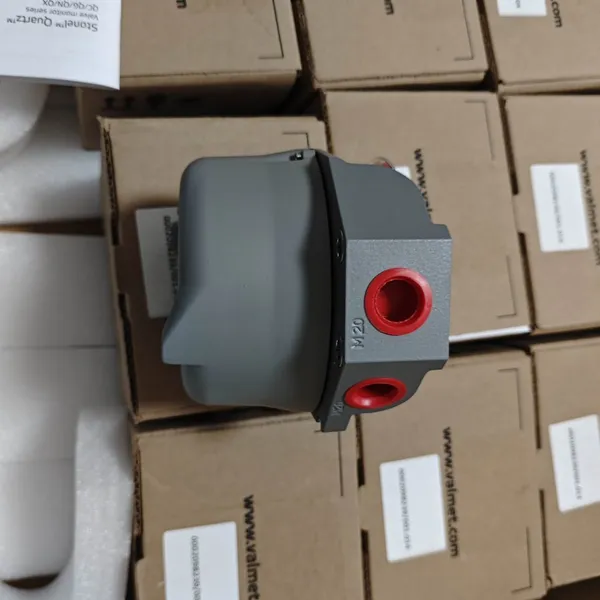
ABB Pneumatic Actuator LP10BB10010+locator V18345-2020521001 Complete SetUS$ 3500MOQ: 1 Set
-
ABB LP32BB10 Pneumatic ActuatorNegotiableMOQ: 1 Unit
-
ABB WSFAN230 Cooling Fan (P/N: 68442966)US$ 1200 - 2000MOQ: 1 Unit
-
GE Multilin 869 Motor Protection Relay Model 869-E-P1-NN-G1-L-S-N-A-A-N-M-S-P-F-B-SE-N-N-B-4 - Complete Technical OverviewUS$ 11000 - 15000MOQ: 1 Unit
-
Fireye 95UVS4-1WINC: Next-Generation Digital UV Flame SafetyUS$ 4400 - 5500MOQ: 1 Unit
-
Fireye 95DSS3-1WINC Ultraviolet (UV) Flame ScannerUS$ 5300 - 6500MOQ: 1 Unit